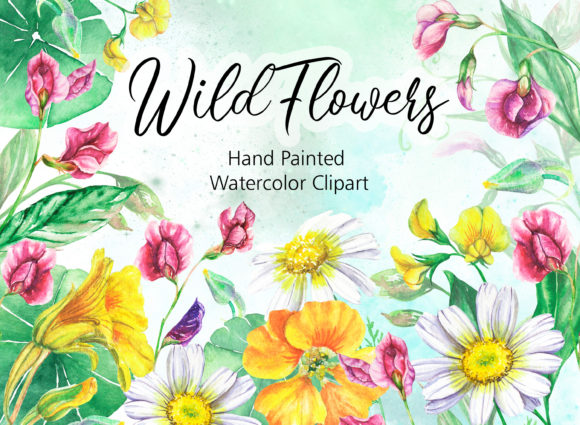
Elevate Designs with Wild Flowers Watercolor Clipart
In the world of visual communication, the difference between a generic template and a memorable brand often lies in the texture and soul of the imagery used. Digital assets that mimic traditional media offer a unique bridge between the efficiency of modern design software and the warmth of handcrafted art. Wild Flowers Watercolor Clipart represents this intersection perfectly, providing creators with high-resolution elements that bring an organic, breathable quality to projects ranging from wedding invitations to corporate branding.
When you incorporate hand-painted elements into your workflow, you are not just adding an image; you are injecting a specific mood. The soft edges, variable opacity, and natural color blending inherent in watercolor styles evoke feelings of nostalgia, gentility, and authenticity. For professionals and hobbyists alike, accessing a curated set of these elements eliminates the need to create them from scratch or settle for low-quality, pixelated graphics found on free stock sites. This specific collection, featuring botanicals like nasturtium capuchin, wild beans, and chamomile, offers a distinct aesthetic that stands out in a sea of flat vector icons.
The Strategic Value of High-Resolution Botanical Assets
The utility of any digital asset is fundamentally tied to its technical specifications. A common pitfall for designers is sourcing images that look acceptable on a screen but fail miserably when printed. This Wild Flowers Watercolor Clipart set addresses that concern by providing 22 individual RGB PNG files at approximately 3000 x 3000 pixels. At 300 DPI (dots per inch), these files are print-ready, meaning they can be scaled up to 10x10 inches without losing clarity or introducing jagged edges.
For small business owners creating physical products, such as fabric prints, paper goods, or packaging, this resolution is non-negotiable. Imagine designing a line of artisanal soaps or a series of greeting cards. Using low-resolution clipart would result in a blurry, unprofessional finish that undermines the perceived value of the product. Conversely, having access to crisp, hand-painted floral elements allows for large-format printing on posters or detailed decoupage work where every brushstroke remains visible. The transparency of PNG files further enhances versatility, allowing these flowers and leaves to be layered seamlessly over photos, textured backgrounds, or colored paper without unsightly white boxes surrounding the image.
Enhancing Wedding Stationery and Event Branding
The wedding industry relies heavily on atmosphere and emotion. Couples often seek a "rustic," "boho," or "garden" theme that feels personal and less manufactured. Hand-painted watercolor clipart is ideally suited for this niche. Elements like green leaves, wild beans, and delicate chamomile flowers can be arranged to create custom wreaths, border designs, or monogram backdrops that feel bespoke rather than templated.
Consider the process of designing a wedding invitation suite. Instead of purchasing a pre-made template that hundreds of other couples might use, a freelancer or DIY bride can utilize these 22 separate elements to build a unique composition. You might place a nasturtium bloom in the corner of a save-the-date card and echo that same flower in the menu design for the reception. This consistency strengthens the visual identity of the event. Furthermore, because the files are high-quality, they can be used for both digital invitations sent via email and heavy-stock physical cards mailed to guests, ensuring brand consistency across all touchpoints.
Streamlining Content Creation for Bloggers and Marketers
In the fast-paced environment of content marketing, visuals are the hook that stops the scroll. Bloggers, social media managers, and educators constantly need fresh imagery to break up text and illustrate concepts. However, licensing professional photography can be expensive, and taking your own photos requires time and equipment. Wild Flowers Watercolor Clipart offers a cost-effective and time-saving alternative.
These elements are perfect for creating quote graphics, Pinterest pins, or header images. The soft, artistic nature of watercolor tends to perform well on platforms like Instagram and Pinterest, where users appreciate aesthetic cohesion. For example, a lifestyle blogger writing about spring cleaning or summer gardening can overlay a transparent watercolor leaf onto a photo of a tidy desk to add a seasonal flair without obscuring the main subject. Similarly, educators creating worksheets or presentation slides can use these floral accents to make materials feel more inviting and less sterile, which can improve engagement among students or workshop attendees.
- Scrapbooking and Papercraft: The 300 DPI resolution makes these files ideal for digital scrapbooking layouts or for printing and cutting out for physical papercraft projects.
- Product Design: Entrepreneurs can apply these patterns to fabric for clothing lines or print them onto ceramic mugs and tote bags.
- Logo Development: Small businesses in the wellness, beauty, or organic food sectors can incorporate specific flowers like chamomile into their logos to signal natural ingredients.
- Photo Overlays: Photographers can use the transparent PNGs as overlays to add a dreamy, artistic foreground to portrait sessions.
Creative Flexibility Through Modular Elements
One of the most significant advantages of this specific pack is the modularity of the assets. Rather than receiving a single, static image of a bouquet, you receive 22 separate elements. This distinction is crucial for creative freedom. It allows the user to deconstruct the flora and reassemble it in infinite ways. You are not limited to the artist's original composition; instead, you become the composer.
This flexibility supports complex design decisions. If you are working on a fabric pattern, you can scatter the wild beans and leaves in a repeating sequence that fits your specific textile dimensions. If you are designing a website header, you might choose to use only the green leaves to create a subtle frame, saving the colorful blooms for call-to-action buttons or highlight sections. This level of control ensures that the artwork serves the layout, rather than forcing the layout to accommodate the artwork. It simplifies the decision-making process during the design phase, as you have a toolkit of compatible parts rather than a single rigid solution.
Practical Considerations and Best Practices
While Wild Flowers Watercolor Clipart offers immense value, it is important to understand how to integrate it effectively to maintain professionalism. Because watercolor textures are inherently detailed and organic, they can sometimes clash with overly busy backgrounds. To ensure the flowers remain the focal point, pair them with ample white space or solid, muted colors that complement the palette of the nasturtiums and chamomile. Avoid placing them over high-contrast, chaotic patterns unless you intentionally aim for a maximalist collage effect.
Additionally, while these files are provided in RGB format, which is standard for screens and most modern home printers, commercial offset printing sometimes utilizes CMYK color spaces. For most small-batch runs and digital uses, RGB is perfectly sufficient and often yields more vibrant greens and blues. However, if you are sending files to a large-scale industrial printer for thousands of copies, it is advisable to check with your print provider regarding color profile conversion to ensure the soft watercolor hues translate exactly as intended.
Ultimately, the goal of using these assets is to enhance communication. Whether you are announcing a birth, selling a handmade product, or teaching a class, the visual tone you set matters. Hand-painted elements convey a sense of care and human touch that rigid geometric shapes often lack. By leveraging this set of high-quality, versatile floral elements, you equip yourself with the tools to create designs that resonate emotionally with your audience, saving time on asset creation while elevating the final output.