Elevating Brand Identity Through the Timeless Appeal of Hand Drawn Rose Illustrations
In an era where digital perfection often dominates the visual landscape, there is a palpable shift occurring across creative industries. Professionals, entrepreneurs, and marketers are increasingly seeking assets that convey authenticity, warmth, and a human touch. This movement away from sterile, algorithmic geometry toward organic imperfection has placed Hand Drawn Rose illustrations at the forefront of modern design trends. These assets are not merely decorative elements; they are strategic tools that bridge the gap between traditional craftsmanship and contemporary digital utility.
The resurgence of botanical motifs, particularly the rose, speaks to a broader consumer desire for connection and nostalgia. As businesses strive to differentiate themselves in saturated markets, the integration of high-quality, hand-drawn graphics into branding and product lines offers a distinct competitive advantage. Whether utilized for logo design, wall art, or intricate stationery, these illustrations provide a versatile foundation for storytelling that resonates deeply with today's audiences.
The Intersection of Tradition and Technology
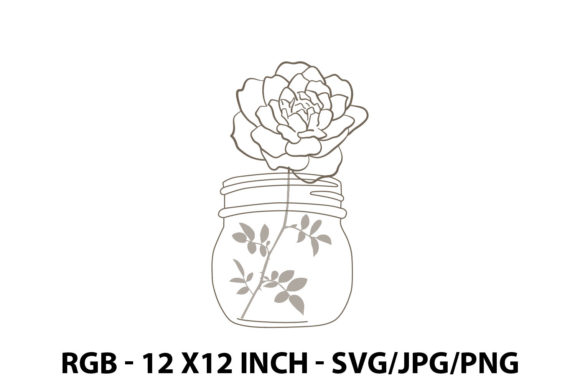
The concept of the Hand Drawn Rose represents a fascinating convergence of old-world artistry and new-world functionality. Historically, botanical illustrations were reserved for scientific journals or high-end fine art, requiring significant skill and time to produce. Today, however, the digitization of these artworks has democratized access to premium design elements. By capturing the nuance of ink on paper and converting it into scalable vector formats, designers can now deploy these assets across a multitude of mediums without losing the integrity of the original stroke.
This technological adaptation addresses a critical need in the current workflow of freelancers and agencies. The demand for content is higher than ever, yet the timeline for production continues to shrink. A single SVG artwork of a hand-drawn rose allows a creator to maintain consistency across a brand's identity while drastically reducing production time. The ability to scale a vector file from a small business card to a large-scale party decor banner without pixelation ensures that the aesthetic remains crisp and professional, regardless of the application.
Why Authenticity Drives Consumer Engagement
Why are people paying such close attention to hand-drawn elements now more than ever? The answer lies in the psychology of consumption. In a world flooded with AI-generated imagery and stock photography that feels increasingly generic, consumers are craving signs of human intent. A Hand Drawn Rose carries the subtle irregularities of the artist's hand—the varying line weights, the organic flow of the petals, and the unique texture. These imperfections signal effort and care, qualities that translate subconsciously into trust and value for the end user.
For marketers and brand strategists, this translates to higher engagement rates. When an invitation card or a product package features a genuine, artistic illustration rather than a clipped vector shape, it invites the viewer to pause. It suggests that the brand behind the product values quality and detail. This alignment with consumer expectations for authenticity is crucial for businesses looking to build long-term loyalty in a transient digital economy.
Versatility Across Industries and Applications
The utility of a high-resolution digital graphic extends far beyond simple decoration. Consider the diverse range of applications where a single, well-crafted rose illustration can serve as the cornerstone of a project. For the wedding and event industry, these elements are indispensable. From save-the-date announcements to elaborate table settings, the romantic and timeless nature of the rose fits seamlessly into various themes. When printed on high-quality paper at 300 DPI, the texture of the drawing adds a tactile dimension that enhances the guest experience.
In the realm of product design and merchandise, the potential is equally vast. Entrepreneurs creating handmade craft items or printed paper goods can utilize these files to create cohesive collections. Imagine a line of stationery where the same floral motif appears on notebooks, envelopes, and greeting cards, creating a unified brand language. Furthermore, in web design and UI/UX, SVG files allow for interactive elements that load quickly and look sharp on retina displays, proving that traditional art styles have a definitive place in modern technology stacks.
- Logo Design: Creating a memorable mark for boutiques, florists, or beauty brands that requires elegance and sophistication.
- Wall Art: Producing prints for home decor that bring a sense of calm and natural beauty to interior spaces.
- Invitations and Announcements: Crafting personalized cards for life's milestones, where the emotional weight of the design matters.
- Packaging: Elevating product boxes and labels to stand out on retail shelves or in unboxing experiences.
- Digital Marketing: Using transparent PNGs for social media overlays, website headers, and email newsletters.
Technical Specifications as Creative Enablers
While the aesthetic appeal is paramount, the technical specifications of these digital assets are what make them viable for professional use. A standard zip file containing an SVG, a high-resolution JPG, and a transparent PNG provides the flexibility needed for complex projects. The inclusion of a 12x12 inch artboard at 300 DPI ensures that the image is print-ready immediately upon download, eliminating the need for upscaling or interpolation which can degrade quality.
The RGB color palette is specifically chosen to ensure vibrancy across digital screens, making these assets ideal for web design and digital advertising. However, the high resolution also allows for accurate conversion to CMYK for offset printing if required. The transparent background of the PNG file is particularly valuable for layering; it allows designers to place the rose over textured papers, colored backgrounds, or photographic elements without unsightly white boxes disrupting the composition. This level of technical readiness empowers creators to focus on the creative aspect of their work rather than troubleshooting file compatibility.
Adapting to Changing Workflow Expectations
The modern creative professional operates in a hybrid environment, often switching between digital design software and physical production methods. The availability of comprehensive file formats supports this fluid workflow. A freelancer might start by designing a logo in a vector program using the SVG file, then export a PNG for a client's website mockup, and finally use the JPG for a printed presentation deck. This seamless transition between formats reduces friction and accelerates the path from concept to completion.
Moreover, the trend towards customization means that clients expect bespoke results even when using pre-made assets. A Hand Drawn Rose serves as an excellent base for modification. Designers can recolor the vectors to match specific brand guidelines, combine multiple elements to create unique patterns, or isolate specific parts of the flower for minimalist designs. This adaptability ensures that the final output feels custom-made, satisfying the client's need for uniqueness while leveraging the efficiency of pre-existing high-quality art.
The Future of Digital Craftsmanship
As we look toward the future of design, the line between "digital" and "handmade" will continue to blur. The success of assets like the Hand Drawn Rose indicates a lasting preference for designs that retain human characteristics. It is not about rejecting technology, but rather using it to amplify human creativity. For entrepreneurs and creators, embracing these tools means staying ahead of the curve, offering products and services that feel personal in an increasingly automated world.
The market is responding positively to this shift. Consumers are willing to invest in brands that demonstrate attention to detail and artistic integrity. By incorporating these organic elements into their portfolios, professionals can signal their commitment to quality and their understanding of current cultural undercurrents. Whether it is for a startup's branding kit or a seasoned artist's new collection, the hand-drawn rose remains a powerful symbol of growth, beauty, and enduring relevance.
In conclusion, the integration of high-quality, hand-drawn botanical illustrations into professional workflows is more than a stylistic choice; it is a strategic decision. It aligns with the evolving demands of the market for authenticity, leverages modern technology for maximum versatility, and provides a timeless aesthetic that transcends fleeting trends. For those ready to elevate their creative output, these digital assets offer the perfect blend of tradition and innovation, ready to be transformed into the next great brand story.