Evaluating the CANDLE Digital Graphic for Modern Creative Projects
In the evolving landscape of digital design and handmade crafts, selecting the right asset is often a balance between aesthetic appeal and technical versatility. The CANDLE single SVG artwork represents a specific category of digital resource designed to bridge the gap between professional graphic design and accessible DIY creation. When creators evaluate options for logo design, wall art, or stationery, understanding the distinct properties of this file format and its included variations is crucial for making an informed decision. This analysis explores where the CANDLE graphic fits within a broader creative workflow, comparing its utility against other common formats and identifying the scenarios where it offers the most value.
Understanding the Core Asset and Technical Specifications
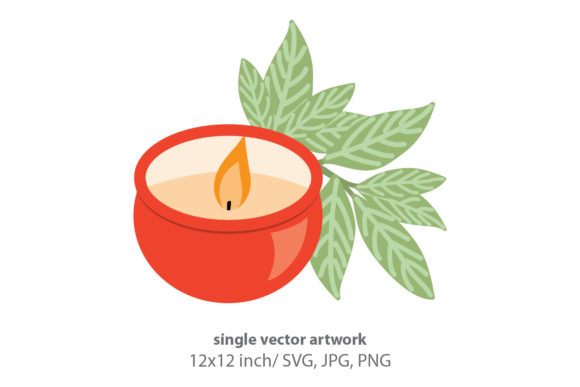
At its foundation, the CANDLE graphic is not merely an image but a multi-format package tailored for high-quality output. The inclusion of an SVG (Scalable Vector Graphics) file is the primary differentiator here. Unlike raster images, which are composed of pixels and can lose clarity when enlarged, vector files use mathematical paths to define shapes. This means the CANDLE design can be scaled from a small icon on a business card to a large mural on a wall without any loss of resolution or introduction of pixelation. For professionals and hobbyists alike, this scalability is a significant advantage over standard JPEGs found in many free online repositories.
The package further supports this versatility by including a JPG file at 300 DPI and a PNG file with a transparent background, also at 300 DPI. The 300 DPI (dots per inch) resolution is the industry standard for high-quality printing. Many digital assets available online are optimized only for screen viewing at 72 DPI, which results in blurry or jagged edges when sent to a printer. By providing files at 300 DPI, this CANDLE asset ensures that printed materials—such as invitations, announcements, or paper goods—maintain crisp lines and professional color fidelity. The RGB color palette indicates the files are optimized for digital displays and modern printing processes that utilize this color space, ensuring vibrant hues across different media.
Comparing File Formats: SVG vs. Raster Alternatives
When deciding whether the CANDLE SVG package is the right choice, it is helpful to compare it against relying solely on raster-based alternatives. A common scenario involves a creator purchasing a standard PNG or JPEG of a candle illustration. While these formats are sufficient for immediate use on social media or simple web banners, they present limitations for physical production. If a user attempts to enlarge a standard raster candle image for a 12x12 inch artboard application, the image may become grainy. In contrast, the SVG component of this package allows for infinite resizing, making it ideal for projects where the final output size might vary or is not yet determined.
Furthermore, the presence of a transparent PNG addresses a specific need that flat JPEGs cannot meet. When integrating the CANDLE graphic into complex designs, such as layering it over colored cardstock for handmade cards or incorporating it into a busy party decor layout, a white background box around the image can be detrimental. The included transparent PNG eliminates the need for manual background removal, saving time and ensuring clean edges. However, for users who require editable paths—for instance, to change the color of the flame or the wax drip independently—the SVG remains superior. Most raster formats flatten these elements into a single layer, whereas the SVG retains the structural integrity of individual design components, offering greater control during the editing phase.
Practical Applications and Best-Fit Scenarios
The utility of the CANDLE graphic extends across a wide spectrum of creative endeavors, but it shines brightest in specific contexts. For logo design, the vector nature of the SVG is indispensable. A brand identity centered around a candle motif requires consistency across various touchpoints, from a tiny favicon on a website to a large sign above a storefront. The CANDLE asset provides the necessary flexibility to adapt the logo without commissioning multiple versions of the artwork.
In the realm of handmade craft items and stationery, the 12x12 inch artboard compatibility is particularly relevant. This dimension is standard for scrapbooking papers and many cutting machine mats. Crafters using electronic die-cutting machines often prefer SVG files because these machines read vector paths to determine where to cut. Using the CANDLE SVG allows for precise cutting of the candle shape out of vinyl, cardstock, or heat transfer material, enabling the creation of custom decals, iron-ons for apparel, or intricate paper layers for greeting cards. Conversely, if a user's primary goal is quick digital publishing without any intention of printing or cutting, the JPG might suffice, though the PNG offers better integration capabilities.
For party decor and invitations, the high-resolution files ensure that printed elements look professional. Whether producing table numbers, menu cards, or announcement flyers, the 300 DPI specification prevents the "fuzzy" look that often plagues home-printed materials. The RGB color profile ensures that the warm tones typically associated with candlelight are rendered accurately on screens and compatible printers, maintaining the intended mood of the design.
Limitations and Decision Factors
While the CANDLE digital package offers robust features, it is important to recognize its limitations to avoid mismatched expectations. The primary constraint lies in the software required to utilize the SVG format fully. To edit the vector paths, change specific colors within the vector structure, or prepare the file for a cutting machine, users need access to vector editing software such as Adobe Illustrator, CorelDRAW, or free alternatives like Inkscape. Users who rely exclusively on basic photo editors or mobile apps may find the JPG and PNG files more immediately accessible, though they will forfeit the scalability benefits.
Additionally, the RGB color palette, while standard for digital and many modern printers, may require conversion to CMYK for specific commercial offset printing processes. Professional print shops sometimes request CMYK files to ensure exact color matching on press. Users planning large-scale commercial runs should verify with their printer whether the provided RGB files need conversion or if the shop can handle RGB inputs directly. This is a common tradeoff with many digital downloads aimed at a general audience rather than specialized pre-press workflows.
Another consideration is the scope of the design. As a single artwork element, the CANDLE graphic is a building block rather than a complete scene. It is best suited for users who have a vision for how to integrate this element into a larger composition. Those seeking a ready-made, full-page illustration with background scenery and text already incorporated may need to look for more complex bundles or custom illustrations. The value of this package lies in its modularity; it empowers the user to build their own unique designs rather than providing a finished product.
Making the Right Choice for Your Project
Ultimately, the decision to utilize the CANDLE SVG package depends on the specific requirements of your project and your technical comfort level. If your priority is scalability and professional print quality, this asset is a strong contender. It is particularly well-suited for entrepreneurs launching a brand, crafters selling handmade goods on platforms like Etsy, or event planners designing custom stationery. The combination of vector and high-resolution raster files covers almost all bases for small-to-medium scale production.
However, if your needs are strictly limited to low-resolution web use, or if you lack the software to manipulate vector files, a simpler raster-only option might be more cost-effective, provided you do not plan to scale the image significantly. For those willing to invest a small amount of time learning to use vector tools or who already possess the necessary software, the CANDLE package offers a higher ceiling for creativity and professional output. It serves as a versatile foundation, allowing for customization that static images simply cannot match.
In conclusion, evaluating the CANDLE digital graphic involves looking beyond the visual subject matter to the technical deliverables. The inclusion of SVG, high-DPI JPG, and transparent PNG formats creates a comprehensive toolkit that addresses the diverse needs of modern creators. By understanding the strengths of vector scalability versus the ease of raster usage, and by recognizing the importance of 300 DPI resolution for print, users can effectively determine if this resource aligns with their goals. Whether for a sophisticated logo, a heartfelt handmade card, or vibrant party decor, the CANDLE asset provides the flexibility required to execute high-quality designs with confidence.