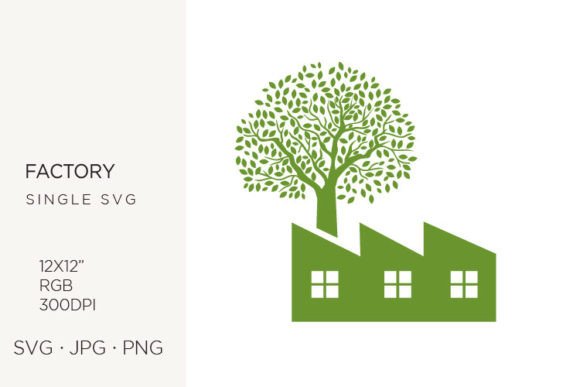
Unlocking Creative Potential: A Guide to Green Tree, Factory, and Clipart Vector Designs
In the bustling world of digital design, the difference between a pixelated image that blurs when enlarged and a crisp, professional graphic often comes down to one fundamental concept: vector technology. Whether you are a seasoned graphic designer, a small business owner creating your own branding, or a hobbyist looking to make handmade crafts, understanding the power of vector files is essential. Today, we will explore the specific utility of nature and industrial-themed assets—such as Green Tree and Factory motifs—and how high-quality clipart in formats like SVG, JPG, and PNG can transform your creative projects.
At the heart of this discussion is the file specification that ensures quality: an artboard size of 12 x 12 inches with a resolution of 300 DPI in the RGB color palette. While these technical terms might sound intimidating to a beginner, they are the building blocks of professional-grade digital art. By breaking down these elements, we can better understand how to utilize them for logo design, wall art, stationery, and much more.
The Foundation: What Makes Vector Art Special?
To truly appreciate the value of files created in programs like Adobe Illustrator, one must first understand the distinction between raster and vector graphics. Most images you see on the internet, such as photographs, are raster images. They are made up of a grid of tiny colored squares called pixels. When you enlarge a raster image too much, those pixels become visible, resulting in a jagged, blurry appearance known as "pixelation."
Vector graphics, on the other hand, are fundamentally different. Instead of pixels, they are built using mathematical equations that define lines, curves, and shapes. This means a vector image can be scaled up to the size of a billboard or down to the size of a business card without losing any clarity or sharpness. When we talk about Green Tree or Factory clipart designed as vectors, we are talking about assets that offer infinite scalability. This is why they are the gold standard for logo design and large-format printing.
Decoding the Technical Specifications
You may have noticed specific requirements mentioned regarding the art files: an artboard of 12 x 12 inches, 300 DPI resolution, and an RGB color palette. Let's demystify what these mean for your workflow:
- Artboard Size (12 x 12): This provides a generous canvas. Even though vectors are scalable, starting with a standard square format ensures that the design is balanced and centered, making it easy to crop or adapt for various aspect ratios later.
- Resolution (300 DPI): DPI stands for Dots Per Inch. While vectors do not technically have a resolution until they are rasterized (converted to pixels), setting the export or preview resolution to 300 DPI ensures that if you save the file as a JPG or PNG for printing, it will be sharp enough for professional use. Anything below 300 DPI may look fuzzy when printed on paper.
- RGB Color Palette: RGB (Red, Green, Blue) is the color mode used for screens, including computers, tablets, and smartphones. It offers a vibrant, wide range of colors. While print often uses CMYK, starting with RGB is ideal for web design, digital invitations, and modern printing processes that can interpret RGB data effectively.
Versatility in Application: From Logos to Handmade Crafts
The true beauty of having access to high-quality vector elements like trees and factories lies in their versatility. These are not just static images; they are raw materials for creativity. Because the files are provided in multiple formats—SVG, JPG, and PNG—they fit seamlessly into almost any project you can imagine.
Branding and Business Identity
For entrepreneurs, a logo is the face of the business. Imagine you are launching an eco-friendly construction company. A Green Tree vector combined with a stylized Factory icon could perfectly symbolize sustainable industry. Because the file is an SVG (Scalable Vector Graphic), you can use this single file for your website favicon, your social media profile picture, and even have it embroidered on employee uniforms without worrying about quality loss. The ability to edit the colors in Adobe Illustrator allows you to match your exact brand guidelines instantly.
Home Decor and Wall Art
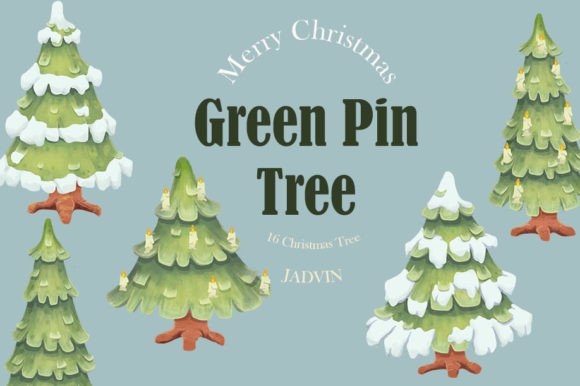
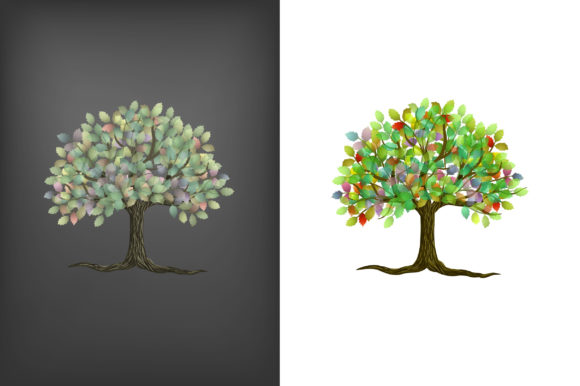
The rise of DIY home decor has made digital downloads incredibly popular. With a 12x12 vector file, you can easily create stunning wall art. Whether you prefer a minimalist silhouette of a factory for an industrial-loft aesthetic or a lush, detailed green tree for a nursery, the high resolution ensures that when printed on canvas or heavy cardstock, the lines remain crisp. You can resize the artwork to fit any frame, from a small desk display to a large living room feature.
Stationery, Invitations, and Party Decor
Planning an event? Digital graphics are a game-changer for personalized stationery. Using these clipart elements, you can design:
- Wedding Invitations: Incorporate subtle tree motifs to represent growth and family roots.
- Birthday Cards: Use playful factory shapes for a child's "construction zone" themed party.
- Announcements: Create eye-catching birth announcements or graduation cards with professional-looking graphics.
- Party Decor: Print banners, cupcake toppers, and favor tags that match your theme perfectly.
Since the files are available in PNG format with transparent backgrounds, placing these images onto colored paper or patterned designs is effortless, requiring no complex photo editing skills.
The Role of File Formats: SVG, JPG, and PNG
Understanding which file format to use is half the battle in digital design. Each serves a unique purpose in your creative toolkit.
SVG (Scalable Vector Graphics): This is the powerhouse format for designers. It retains all the editable properties of the original Adobe Illustrator file. If you need to change the shade of green in the tree or alter the shape of the factory smokestack, the SVG allows you to do so. It is also the preferred format for web developers because it loads quickly and looks sharp on all devices, including retina displays.
PNG (Portable Network Graphics): Think of PNG as the versatile workhorse. The key advantage of PNG is its support for transparency. Unlike JPGs, which always have a white or colored background, a PNG of a green tree can be placed over any background color or image without a visible box around it. This makes it ideal for layering in documents, presentations, and web layouts.
JPG (Joint Photographic Experts Group): While JPGs do not support transparency and are raster-based, they are universally compatible. Everyone can open a JPG. They are perfect for sharing previews, uploading to social media where vector support might be limited, or sending to a print shop that specifically requests raster files at 300 DPI.
Common Misunderstandings About Digital Assets
A common assumption among beginners is that once you download a graphic, it is ready for any use without modification. However, context matters. For instance, while an RGB file looks vibrant on screen, if you are sending a design to a traditional offset printer for a massive run of brochures, you might need to convert the colors to CMYK to ensure color accuracy. Additionally, while vectors are scalable, the details of a design matter. A highly intricate factory illustration might lose some fine detail if shrunk down to the size of a ring pendant, whereas a bold, simple tree silhouette would work perfectly for jewelry design.
Another misconception is that "clipart" implies low quality or childish designs. In the modern era, professional vector packs created in Adobe Illustrator rival custom illustrations in terms of sophistication. Terms like "Green Tree" or "Factory" are simply descriptors; the artistic execution can range from whimsical and cartoonish to sleek and corporate.
Integrating Creativity into Modern Life
In our digital-first economy, the ability to create professional-looking materials in-house is a valuable skill. Small businesses can save thousands on design fees by utilizing high-quality stock vectors to build their identity. Educators can create engaging visual aids for students, making complex topics like ecology (using tree graphics) or economics (using factory graphics) more accessible.
Furthermore, the maker movement has thrived on these types of digital assets. Crafters using cutting machines (like Cricut or Silhouette) rely heavily on SVG files to cut vinyl for t-shirts, mugs, and decals. The precision of a vector path ensures that the machine cuts exactly where intended, resulting in clean edges and professional finishes for handmade items.
Conclusion: Your Canvas Awaits
The journey from a digital file to a tangible product is bridged by the quality of the source material. By leveraging Green Tree and Factory vector clipart with the correct specifications—12x12 artboards, 300 DPI, and RGB color—you equip yourself with the tools necessary for success across a myriad of platforms. Whether you are designing a logo that defines a brand, crafting a heartfelt invitation, or decorating your home, understanding the nuances of SVG, JPG, and PNG formats empowers you to bring your vision to life with clarity and confidence.
Remember, the technology behind the art is there to serve your creativity. With the right files and a bit of knowledge, the possibilities for what you can create are truly limitless. So, open your design software, import those vectors, and start building something amazing today.