Visualizing Sustainability: The Intersection of Hybrid Cars, Green Leaves, and Factories in Modern Design
In the rapidly evolving landscape of digital creativity and environmental advocacy, the convergence of specific visual motifs tells a powerful story. The combination of a Hybrid Car, vibrant Green Leafs, and an industrial Factory creates a narrative triangle that represents the future of sustainable manufacturing and eco-conscious living. For designers, content creators, and business owners, utilizing high-quality vector assets that depict these elements is not merely an aesthetic choice; it is a strategic decision to communicate values of innovation, nature, and progress. This article explores the depth of these themes, how they are technically realized in formats like SVG, JPG, and PNG, and their practical application across various mediums from wall art to corporate branding.
The Symbolism Behind the Trio
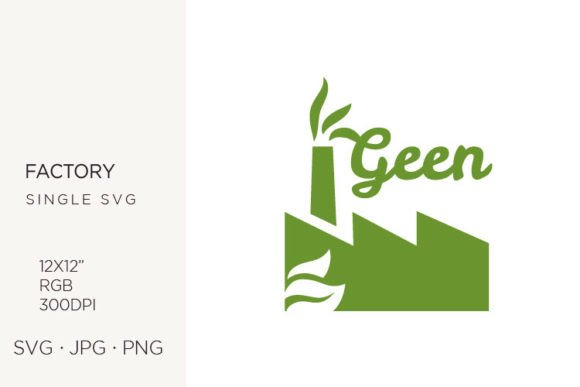
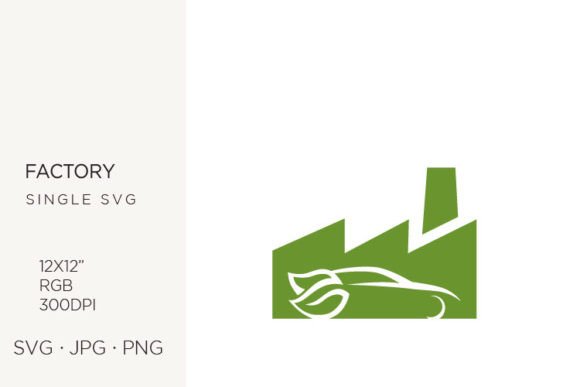
To effectively use these graphics, one must first understand the weight they carry. A Hybrid Car is no longer just a vehicle; it is a symbol of transition. It represents the bridge between traditional combustion engines and a fully electric future. When paired with Green Leafs, the imagery shifts from mechanical to organic, suggesting that technology can coexist with, and even support, the natural world. The inclusion of a Factory completes the cycle, grounding the concept in reality. It signifies that this green future is being built, manufactured, and scaled today.
When these three elements are combined in a single composition—whether as a cohesive logo or a complex illustration—they speak to the entire lifecycle of sustainable products. They tell the consumer that the journey from the factory floor to the open road is paved with environmental responsibility. For a business owner, incorporating these symbols into their marketing materials instantly aligns their brand with global sustainability goals without needing paragraphs of explanatory text.
Technical Excellence: Vector vs. Raster
The utility of these design elements relies heavily on their file format and construction. The assets described here are crafted in Adobe Illustrator, ensuring they are true vector graphics. This distinction is critical for professional applications. Unlike raster images that lose quality when enlarged, vector files allow for infinite scalability. Whether you are printing a massive billboard for an automotive expo or designing a tiny icon for a mobile app, the lines remain crisp and the colors vibrant.
The specifications provided—an artboard size of 12 x 12 inches at 300 DPI in RGB color palette—are optimized for versatility. While 300 DPI is traditionally a print standard, the vector nature of the source file means the resolution is essentially limitless until exported. The RGB color space ensures that the greens of the leaves and the metallic sheens of the hybrid car appear vivid on digital screens, which is essential for web design and social media campaigns. However, because they originate in a vector program, they can easily be converted to CMYK for high-fidelity print production without losing detail.
Users receive these elements in multiple formats to suit different workflows:
- SVG (Scalable Vector Graphics): Ideal for web developers and UI designers. SVGs are code-based, meaning they load quickly on websites and can be animated or styled with CSS.
- PNG (Portable Network Graphics): Perfect for presentations, documents, and digital overlays where a transparent background is required. This format preserves the high resolution needed for clear viewing on retina displays.
- JPG (Joint Photographic Experts Group): Best for general photography contexts, email newsletters, or situations where file size needs to be minimized for faster sharing, though without transparency.
Diverse Applications for Creators and Businesses
The flexibility of these digital graphics allows them to transcend a single industry. Their application is limited only by the creator's imagination. Below are several sectors where these assets provide immediate value.
Branding and Logo Design
For startups in the renewable energy sector or automotive repair shops specializing in hybrids, a custom logo is vital. By combining the Hybrid Car silhouette with stylized Green Leafs emerging from the exhaust or surrounding the wheels, a designer can create a memorable mark. The Factory element can be subtle, perhaps forming the background structure or the negative space within the lettering, implying robust manufacturing capabilities. Because the files are vector-based, the logo can be applied to everything from business cards to fleet vehicle wraps with perfect consistency.
Educational and Corporate Communications
Corporations aiming to publish sustainability reports or internal newsletters benefit greatly from these visuals. Complex data regarding carbon footprint reduction or manufacturing efficiency can be dry. Injecting high-quality clipart of factories emitting leaves instead of smoke, or hybrid cars navigating through lush landscapes, makes the data approachable. These graphics serve as visual anchors that break up text and reinforce the company's commitment to green initiatives.
Handmade Crafts and Stationery
The reach of these files extends beyond the digital realm. Crafters using cutting machines (like Cricut or Silhouette) can import the SVG files to create intricate die-cuts. Imagine handmade invitations for an eco-themed wedding or party decor featuring hybrid vehicles and foliage. The clean lines of the vector art ensure that the cutting blades follow the paths accurately, resulting in professional-looking paper goods. Similarly, these designs can be transferred onto tote bags, t-shirts, or jewelry, allowing small business owners to create niche merchandise that appeals to environmentally conscious consumers.
Web and Graphic Design
In the context of web design, these elements can serve as hero images, icons, or background patterns. A website dedicated to urban planning or electric vehicle infrastructure can use the Factory and Hybrid Car motifs to create a cohesive visual language. The RGB color palette ensures that the greens pop against dark modes or blend softly with light themes, enhancing user experience without compromising load times if optimized correctly.
Evaluating Suitability for Your Project
While these assets are versatile, selecting the right approach requires consideration of your specific audience and medium. If your primary goal is digital engagement, focus on the SVG and PNG formats. Leverage the scalability to create responsive designs that look good on both smartphones and desktop monitors. If your project involves physical products, such as printed paper items or large-format wall art, ensure you utilize the high-resolution capabilities of the original Illustrator file or the 300 DPI exports to prevent pixelation.
It is also important to consider the tone. The combination of industrial and natural elements can be interpreted in various ways. A sleek, minimalist rendering of a Hybrid Car suggests modernity and efficiency. A more detailed, hand-drawn style of Green Leafs might evoke a sense of organic growth and community. Understanding the emotional resonance of the art style you choose is just as important as the technical specifications.
Practical Expectations and Limitations
When working with pre-made digital elements, customization is key. While the base files are high quality, simply dropping them into a project may not yield a unique result. Professionals should feel empowered to modify the vectors in Adobe Illustrator. You might change the color palette to match specific brand guidelines, rearrange the composition to better fit a square social media post, or combine the Factory element with other icons to create a new scene. The value lies not just in the image itself, but in how it is adapted to tell your specific story.
Furthermore, while the RGB profile is excellent for screens, remember that colors can shift when printed. Always request a proof or do a test print if color accuracy is critical for your physical products. The "Green Leafs" might appear neon on a monitor but could print as a darker forest green depending on the printer's ink gamut.
Conclusion: Building a Greener Visual Future
The integration of Hybrid Car, Green Leafs, and Factory imagery represents more than just a trend in graphic design; it reflects a global shift towards sustainability. By utilizing high-quality, vector-based assets created in professional software like Adobe Illustrator, creators and businesses can produce work that is both visually stunning and deeply meaningful. Whether you are designing a logo for a new tech firm, creating handmade cards for an eco-awareness campaign, or developing web graphics for an automotive blog, these elements provide the foundational building blocks for success.
The availability of multiple file formats ensures that these designs are ready for any challenge, from the smallest smartphone screen to the largest warehouse wall. As we move forward, the ability to communicate complex ideas like sustainable manufacturing through simple, effective visuals will become increasingly valuable. Embrace these tools, experiment with their potential, and let your designs drive the conversation toward a cleaner, greener future.