The Strategic Value of Flower Logo Assets in Modern Branding
In the saturated landscape of visual identity, selecting the right graphical foundation is critical for establishing immediate brand recognition. A Flower Logo represents more than just a decorative choice; it is a versatile semantic tool that communicates growth, nature, beauty, and organic quality without the need for words. For entrepreneurs, marketers, and designers evaluating assets for a new project, understanding the depth and flexibility of floral imagery is essential. These elements range from simple line art to complex botanical illustrations, offering a spectrum of stylistic options that can define a company's personality from the outset.
The enduring popularity of floral motifs stems from their universal appeal and psychological resonance. Unlike geometric shapes that often feel corporate or cold, a well-crafted flower icon introduces a human touch. It suggests care, cultivation, and life. Whether utilized for a high-end spa, an eco-friendly product line, or a boutique fashion label, the flower logo serves as a bridge between the business and its audience, conveying values of wellness, femininity, and natural purity. However, not all floral designs are created equal. The effectiveness of such a logo depends heavily on execution, style consistency, and how well the specific botanical element aligns with the brand's core message.
Versatility Across Industries and Applications
One of the primary strengths of incorporating a floral symbol into a branding strategy is its remarkable adaptability across diverse sectors. While the immediate association might be with florists or garden centers, the application extends far beyond horticulture. In the wellness and health industry, a lotus or abstract bloom signifies meditation, balance, and healing, making it ideal for yoga studios, massage therapy clinics, and mental health organizations. Here, the design often leans toward minimalism, using thin lines or negative space to evoke tranquility.
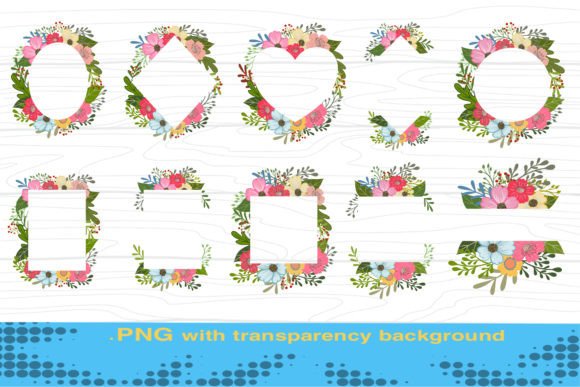
In the realm of cosmetics and beauty, floral logos are practically ubiquitous but remain effective because they directly communicate ingredients and ethos. A rose or orchid silhouette on a perfume bottle or skincare label suggests luxury, delicacy, and natural ingredients. For these applications, the design might incorporate gold accents, intricate details, or vintage-style flourishes to denote premium quality. Similarly, in the wedding and event planning sector, floral emblems act as a visual shorthand for celebration and romance. Couples and planners often seek wreaths, bouquets, or single blossoms that can be adapted for invitations, signage, and digital presence.
Even industries that seem unrelated to nature, such as technology or finance, are beginning to adopt softer, organic branding to appear more approachable and human-centric. A stylized, geometric flower can soften a corporate image, suggesting innovation that grows and evolves. This cross-industry utility makes a collection of floral vectors a valuable resource for any creative professional's library, allowing for rapid prototyping of brand identities that need to feel welcoming rather than imposing.
Evaluating Design Styles: From Minimalist to Ornate
When selecting a floral asset, the stylistic approach determines the brand's perceived age, price point, and personality. Current trends favor minimalism and linear design. A one-line drawing of a tulip or a simple outline of a leaf offers a modern, clean look that scales exceptionally well. These designs perform brilliantly on mobile screens, favicons, and social media avatars where detail can easily get lost. The "less is more" philosophy ensures that the logo remains legible whether printed on a massive billboard or a small business card.
Conversely, there is a sustained demand for vintage and hand-drawn aesthetics. Brands aiming for an artisanal, craft, or bohemian vibe often benefit from sketches, watercolor textures, or detailed engravings. These styles suggest handmade quality and tradition, appealing to consumers looking for authenticity over mass production. A retro-style badge featuring a sunflower or a cluster of berries can effectively position a coffee shop or bakery as a community hub with deep roots.
For luxury markets, geometric and abstract interpretations of flowers offer a sophisticated edge. By deconstructing a petal into triangles or circles, designers create a logotype that feels contemporary and exclusive. This approach avoids the cliché of generic clip art, providing a unique visual identity that stands out in crowded marketplaces like jewelry or high-end fashion. The key is finding a balance between recognizability and uniqueness; the viewer should understand it is a flower, but the specific arrangement should be distinct to the brand.
Technical Considerations and Usability
Beyond aesthetics, the technical quality of a Flower Logo asset dictates its long-term viability. Professionals must prioritize vector formats (such as SVG, EPS, or AI) over raster images. Vector graphics ensure that the logo remains crisp at any size, allowing for seamless adaptation across various media—from website headers to large-format printing on building signage. A pixelated image may look acceptable on a screen but will fail miserably on printed merchandise or packaging.
Flexibility is another crucial factor. A robust logo system should include variations: a primary horizontal layout, a stacked version, an icon-only mark, and perhaps a monochrome variant for single-color printing scenarios like embroidery on uniforms or stamping on recycled paper. The ability to isolate specific elements, such as a single leaf or petal, allows for the creation of secondary patterns or background textures that reinforce brand identity without overwhelming the viewer. This modularity is essential for maintaining a cohesive visual language across different touchpoints.
Color usage also requires strategic thought. While full-color floral designs are vibrant, a strong logo must function effectively in black and white. If the design relies entirely on color gradients to define its shape, it lacks the structural integrity needed for versatile branding. Testing the silhouette against different backgrounds ensures that the floral element retains its impact regardless of the context in which it is placed.
Who Benefits Most from Floral Branding?
Certain demographics and business models derive disproportionate value from floral imagery. Small business owners in the service sector, particularly those in beauty, hospitality, and personal care, find that flower logos instantly communicate their value proposition. A salon owner does not need to explain that they offer relaxing, natural treatments; a soft, blooming icon suggests it immediately. Similarly, non-profits and charities focused on environmental conservation, women's rights, or community growth often utilize floral symbols to represent hope, renewal, and organic development.
Freelance designers and agencies also benefit significantly from having access to high-quality floral collections. These assets serve as excellent starting points for client projects, reducing the time spent on initial concepting while ensuring a professional finish. For bloggers and content creators in the lifestyle niche, a custom or semi-custom floral watermark helps in building a recognizable personal brand that feels intimate and inviting.
However, it is important to acknowledge limitations. In highly industrial, aggressive, or strictly utilitarian sectors, a flower logo might send the wrong message, potentially undermining perceptions of strength or technical precision. In these cases, if a floral element is used, it must be heavily stylized or integrated subtly to avoid appearing out of place. The goal is alignment; the visual metaphor must support the business reality.
Making the Right Choice for Your Project
Selecting the perfect Flower Logo involves more than picking a favorite bloom. It requires an analysis of the target audience, the competitive landscape, and the long-term goals of the brand. Does the market respond better to modern simplicity or traditional elegance? Is the brand positioning itself as a disruptor or a heritage institution? Answering these questions guides the selection of the specific type of flora and the artistic style.
Ultimately, a well-chosen floral emblem acts as a silent ambassador for the brand. It carries connotations of life, growth, and beauty that resonate deeply with human psychology. When executed with attention to detail, technical precision, and strategic foresight, a flower logo becomes more than just a graphic; it becomes an integral part of the business's identity, fostering trust and connection with customers. Whether through a delicate sketch, a bold geometric shape, or a lush botanical illustration, the right floral design has the power to elevate a brand from ordinary to memorable.