Bridging Heritage and Innovation: The Strategic Value of the Mortar and Pestle in Modern Digital Assets
In an era defined by rapid technological acceleration and digital abstraction, there is a profound and growing counter-movement toward authenticity, tactile heritage, and grounded craftsmanship. For professionals, creators, and entrepreneurs navigating the crowded landscapes of branding and marketing, the challenge lies not just in creating something new, but in creating something that feels real. This is where the enduring symbol of the Mortar and Pestle finds renewed relevance. Far from being a relic of the past, this ancient tool has evolved into a powerful visual metaphor for precision, natural ingredients, and the careful curation of value—concepts that resonate deeply with today's conscious consumers.
The integration of traditional iconography like the Mortar and Pestle into modern digital workflows represents a strategic alignment with broader market trends. As we observe shifts in consumer behavior, particularly in the wellness, culinary, and artisanal sectors, the demand for visuals that communicate purity and process has never been higher. This article explores why this specific motif is capturing attention, how it fits into the evolving needs of designers and business owners, and how high-quality digital assets can be leveraged to build compelling brand narratives.
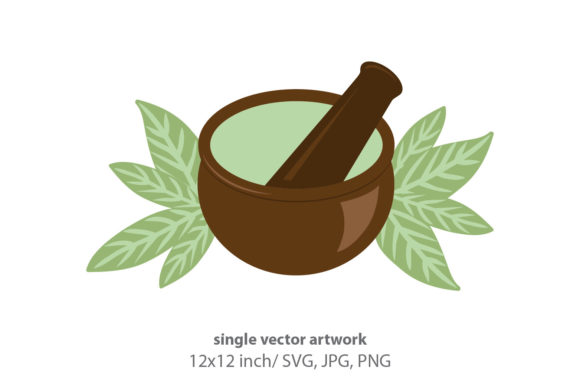
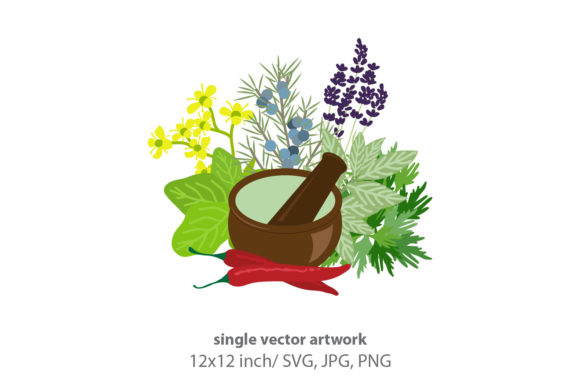
Figure 1: High-resolution vector representation optimized for scalable branding applications.
The Symbolism of Process and Purity
To understand why the Mortar and Pestle is becoming a staple in contemporary graphic design, one must first appreciate its historical weight. For millennia, this tool has been the universal standard for grinding, crushing, and mixing substances. In the pharmaceutical industry, it represents the precise formulation of medicine. In the culinary world, it signifies the release of essential oils and the creation of fresh flavors. In spiritual practices, it denotes the preparation of sacred elements.
When a modern brand adopts this imagery, they are not merely displaying a kitchen utensil; they are invoking a legacy of manual effort and attention to detail. In a marketplace saturated with mass-produced, automated goods, the Mortar and Pestle serves as a visual shorthand for "handcrafted." It tells the consumer that the product inside the package was treated with care, that ingredients were selected intentionally, and that the final result is the product of a deliberate process rather than an industrial assembly line.
This symbolism aligns perfectly with the current "clean label" movement in food and beverage, as well as the transparency demands in the beauty and wellness industries. Consumers are increasingly skeptical of synthetic additives and opaque supply chains. By utilizing imagery associated with traditional preparation methods, businesses can subconsciously reassure their audience of the authenticity and natural origin of their offerings.
Adapting Traditional Icons for Digital Workflows
The transition of such a tactile object into the digital realm requires more than just a photograph. It demands versatile, scalable graphics that can function across a myriad of mediums—from a tiny favicon on a website to a large-format print on packaging. This is where the utility of high-quality digital files becomes paramount for freelancers, marketers, and design agencies.
Modern design workflows prioritize flexibility. A static image often fails to meet the diverse needs of a comprehensive branding campaign. Professionals require assets that can be manipulated, resized, and integrated seamlessly into various contexts without losing fidelity. This is why the availability of a Mortar and Pestle in multiple formats is critical for efficient production.
Asset Specifications for Professional Use
For optimal integration into your creative projects, ensure your digital assets meet the following technical standards, typical of premium design resources:
- Artboard Size: 12x12 Inches – Providing ample space for cropping and layout adjustments.
- Resolution: 300 DPI (RGB Color Palette) – Ensuring crisp details for both screen display and high-quality printing.
- File Formats Included:
- 1 SVG File: Scalable Vector Graphics allow for infinite resizing without pixelation, ideal for logos, web icons, and laser cutting.
- 1 JPG File (300 DPI): Perfect for quick previews, social media posts, and documents where transparency is not required.
- 1 PNG File (300 DPI): Features a transparent background, essential for overlaying the graphic onto colored backgrounds, textures, or complex layouts in stationery and invitations.
Expanding Applications Across Industries
The versatility of a well-designed Mortar and Pestle graphic extends far beyond the obvious apothecary or spice shop. Savvy entrepreneurs and creatives are finding innovative ways to deploy this imagery across unexpected sectors, leveraging its aesthetic appeal to elevate brand perception.
Branding and Logo Design
For startups in the organic skincare or herbal tea markets, the Mortar and Pestle serves as an instant identifier of category. However, its application in logo design goes deeper. It can represent the "mixing" of ideas in a consultancy firm, the "blending" of cultures in a travel agency, or the "grinding down" of barriers in a non-profit organization. The clean lines of an SVG file allow designers to simplify the form into a minimalist mark that retains its recognizability even at small scales.
Stationery and Event Decor
In the realm of event planning and paper goods, the trend toward rustic-chic and botanical themes continues to dominate. Wedding invitations, baby shower announcements, and party decor often seek motifs that feel earthy and elegant. A high-resolution PNG of a Mortar and Pestle filled with herbs or flowers can be the centerpiece of an invitation suite for a garden-themed wedding or a culinary workshop. The ability to place this graphic over textured paper backgrounds without a white halo (thanks to the transparent background) is a crucial feature for professional-grade print results.
Digital Content and Web Design
Web designers and content creators are constantly seeking unique elements to break up text-heavy pages. Using a Mortar and Pestle illustration as a section divider, a bullet point icon, or a hero image overlay can add a touch of sophistication to a blog about nutrition, a landing page for a yoga studio, or an e-commerce site selling handmade soaps. The RGB color palette ensures that the colors remain vibrant and accurate on digital screens, enhancing the user experience.
Meeting the Changing Expectations of the Consumer
Why are people paying attention to these specific types of graphics now? The answer lies in a shift in consumer expectations regarding value and storytelling. Today's audience does not just buy a product; they buy into the narrative behind it. They want to know the "how" and the "why." Visual assets that evoke tradition, craft, and nature help brands tell that story instantly, before a single word of copy is read.
Furthermore, the rise of the "creator economy" has empowered individuals to launch their own brands. Freelancers and small business owners often lack the budget for custom illustration commissions. Access to high-quality, ready-to-use digital elements allows them to maintain a professional aesthetic while keeping costs manageable. The inclusion of multiple file formats (SVG, JPG, PNG) in a single zip file caters directly to this need for efficiency and adaptability, enabling creators to pivot quickly between digital ads, physical packaging, and social media content.
The Technical Edge in Creative Production
It is also worth noting the technical advantages of using vector-based SVGs alongside raster images. As screen resolutions increase (Retina displays, 4K monitors), bitmap images can often appear blurry if not created at sufficiently high resolutions. An SVG solves this permanently by using mathematical paths rather than pixels. For a Mortar and Pestle logo, this means the brand looks sharp on a smartwatch screen just as it does on a billboard. Meanwhile, the 300 DPI JPG and PNG files ensure that when the design moves to print—whether it's a business card or a large poster—the output remains crisp and professional.
Conclusion: The Timeless Relevance of Craft
The Mortar and Pestle is more than a historical artifact; it is a dynamic symbol that bridges the gap between ancient wisdom and modern commerce. Its resurgence in design trends reflects a broader societal desire for connection, authenticity, and quality. For professionals and entrepreneurs, leveraging this imagery through high-quality digital assets offers a strategic advantage. It allows brands to communicate complex values—purity, craftsmanship, and care—through a single, universally understood visual.
Whether you are designing a new logo, crafting a set of wedding invitations, or building a website for a wellness brand, the thoughtful integration of such timeless elements can elevate your work. By utilizing versatile files that cater to both web and print, creators can ensure their message is delivered with clarity and impact. In a world that often feels ephemeral and digital, grounding your brand in the tangible symbolism of the Mortar and Pestle may be the most forward-looking decision you make.
As we move forward, the intersection of tradition and technology will only deepen. The tools we use to create may change, but the human appreciation for the hand-made, the carefully prepared, and the authentically sourced remains constant. Embracing these symbols in our digital portfolios is not just a design choice; it is a commitment to the values that drive meaningful engagement in the modern marketplace.