Unlocking Vintage Charm: A Practical Guide to Magic in Old Fashion Apothecary Jars Digital Assets
In the evolving landscape of digital design and handmade commerce, finding assets that bridge the gap between nostalgic aesthetics and modern utility is often a challenge. The concept of Magic in Old Fashion Apothecary Jars represents more than just a visual trend; it is a specific design resource tailored for creators who need high-quality, versatile imagery rooted in vintage apothecary themes. This collection serves as a foundational tool for professionals and hobbyists alike, offering a blend of historical charm and technical precision that can elevate a wide range of projects.
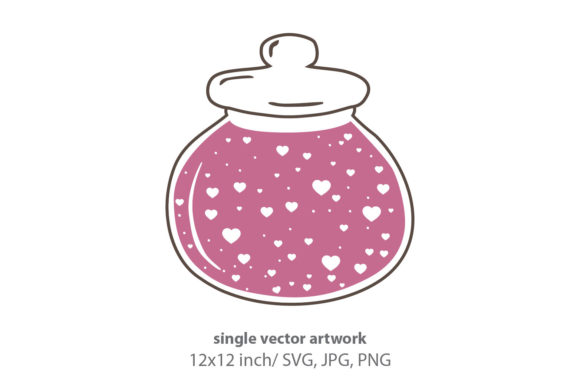
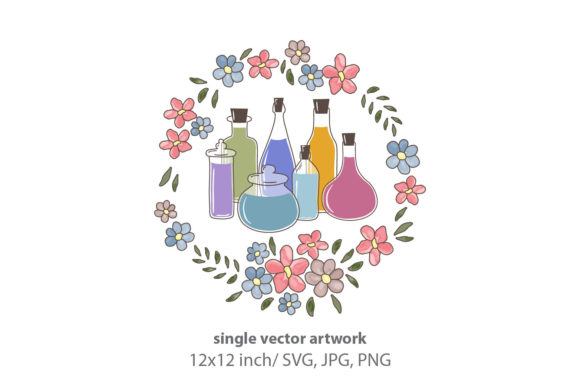
When evaluating digital graphics for commercial or personal use, the devil is often in the details. The value of this particular asset lies not only in its subject matter but in its technical execution. Designed with an artboard size of 12x12 inches and rendered at a robust 300 DPI in RGB color, these files are engineered to meet the rigorous demands of both print and digital media. Whether you are a small business owner looking to brand a new line of organic soaps or a graphic designer crafting an invitation suite for a themed event, understanding the capabilities and limitations of such resources is essential for making informed decisions.
The Intersection of Aesthetic Appeal and Technical Precision
The primary strength of the Magic in Old Fashion Apothecary Jars collection is its ability to convey a sense of established trust and artisanal quality. Apothecary imagery has long been associated with craftsmanship, natural ingredients, and careful curation. For marketers and entrepreneurs, leveraging this visual language can instantly communicate these values to a target audience without the need for extensive copy. However, aesthetic appeal alone is insufficient if the underlying files do not perform well in production.
This set distinguishes itself through its file diversity and resolution standards. The inclusion of an SVG file alongside high-resolution JPG and PNG formats ensures flexibility across different workflows. The SVG (Scalable Vector Graphics) format is particularly valuable for logo design and web applications. Because vectors are mathematically defined rather than pixel-based, they can be scaled infinitely without losing clarity. This means a logo derived from these jars can look crisp on a business card or a massive storefront sign. For web designers, this translates to faster loading times and sharper visuals on high-DPI screens, a critical factor for user experience and SEO performance.
Conversely, the raster files (JPG and PNG) provided at 300 DPI address the needs of physical printing. In the world of stationery, invitations, and packaging, 72 DPI is often the standard for screens, but it results in blurry, unprofessional output when printed. By providing files at 300 DPI, this collection ensures that the intricate details of the old-fashioned jars—such as label textures, glass refractions, and stopper nuances—remain sharp on paper products. The transparent background option in the PNG format further enhances usability, allowing creators to layer these elements over various backgrounds without unsightly white boxes interfering with the design composition.
Practical Applications Across Industries
The versatility of these digital elements allows them to fit seamlessly into diverse professional contexts. For small business owners in the beauty and wellness sector, these graphics offer a ready-made branding solution. Imagine a boutique selling handmade candles or herbal teas; incorporating apothecary jar imagery into their labeling can instantly position the product as premium and traditional. The consistency of the artwork ensures that branding remains cohesive across different touchpoints, from product labels to social media posts.
Educators and publishers may also find significant value in these assets. History teachers creating materials about the evolution of medicine, or authors writing period pieces, can use these illustrations to add visual depth to their content. The high resolution ensures that even when printed in textbooks or handouts, the images retain their educational clarity. Similarly, event planners organizing vintage-themed weddings or parties can utilize these files to create custom announcements, menu cards, and decor items that align perfectly with a specific era or atmosphere.
For freelance designers and illustrators, having access to high-quality base elements can significantly streamline the creative process. Instead of spending hours sketching complex glassware from scratch or licensing expensive stock photography that may have usage restrictions, designers can integrate these SVG and PNG elements into larger compositions. They serve as excellent building blocks for collage art, mixed media projects, or digital scrapbooking, allowing the creator to focus on layout and typography rather than asset creation.
Evaluating Usability and Workflow Integration
From a workflow perspective, the organization of the Zip file contributes to the overall efficiency of the user experience. Receiving a single package containing the SVG, JPG, and PNG versions eliminates the need to search for alternative formats or convert files manually, which can sometimes degrade quality. The 12x12 inch artboard size is a strategic choice; it provides ample canvas space for detailed work while remaining compatible with standard square format requirements often seen in social media marketing and album art.
However, users must remain mindful of the color palette. The files are provided in RGB, which is ideal for digital displays and most modern home printers. Yet, for large-scale commercial offset printing, a conversion to CMYK might be necessary to ensure color accuracy. While the RGB gamut is vibrant, certain deep greens or earthy tones typical of apothecary themes may shift slightly during the CMYK conversion process. Professionals should always run a test print before committing to a full production run to verify that the colors match their brand guidelines.
Furthermore, while the SVG format offers scalability, it requires software capable of editing vector paths, such as Adobe Illustrator, CorelDRAW, or free alternatives like Inkscape. Users who are strictly accustomed to raster-based programs like Photoshop will find the JPG and PNG files immediately useful but may need to acquire new skills or tools to fully leverage the SVG's potential for logo manipulation. This learning curve is a minor limitation but one that yields substantial long-term benefits in terms of design flexibility.
Long-Term Value and Strategic Implementation
Investing in high-quality digital assets like Magic in Old Fashion Apothecary Jars is a decision that pays dividends over time. Unlike trending graphics that may feel dated within a few months, vintage apothecary themes possess a timeless quality. They rely on classical design principles that have remained relevant for centuries. This longevity makes them a safe bet for businesses looking to build a brand identity that endures.
Moreover, the ability to customize these elements adds another layer of value. With the SVG file, a designer can alter the color of the liquid inside the jar, change the label text, or isolate specific components like the cork or the glass silhouette to create entirely new icons. This level of customization prevents the "cookie-cutter" look that often plagues designs using generic clip art. It allows for a unique brand voice to emerge, even when starting with a shared resource.
For content creators and bloggers, these images can enhance article engagement. High-quality, relevant visuals break up text and keep readers on the page longer, a metric that search engines consider when ranking content. Using distinct, non-generic imagery helps establish authority and professionalism, distinguishing a blog from the myriad of sites using the same free stock photos.
Final Considerations for the Modern Creator
In conclusion, the Magic in Old Fashion Apothecary Jars digital collection stands out as a robust resource for anyone operating at the intersection of creativity and commerce. Its strength lies in the balance between evocative storytelling and technical reliability. The inclusion of multiple file formats caters to a broad spectrum of needs, from the precise requirements of logo design to the tactile demands of printed stationery.
While users should be aware of the color space considerations for professional printing and the software requirements for vector editing, these are manageable factors in the context of the overall utility provided. For professionals seeking to inject a sense of heritage, quality, and artisanal care into their projects, this asset offers a practical and effective solution. It is not merely a picture of a jar; it is a versatile tool that, when used strategically, can enhance brand perception, streamline design workflows, and contribute to the creation of compelling visual narratives.
Ultimately, the decision to incorporate these elements should be guided by your specific project goals. If your objective is to convey trust, tradition, and natural quality, few visual metaphors are as powerful as the old-fashioned apothecary jar. With the right technical foundation provided by this collection, the magic lies in how you choose to wield it.